
By The SORTEE 2025 Conference Committee | December 1, 2025
Last week, we – the conference committee – shared with you some insights about the SORTEE 2025 conference, along with our personal take on our 24-hour event (read the blog post). This time, we wanted to talk about the variety of sessions we had and what they entailed. Happy reading!
Plenary talks
At the SORTEE 2025 conference, we hosted two plenary talks, each 40 minutes long followed by 20 minutes of questions.
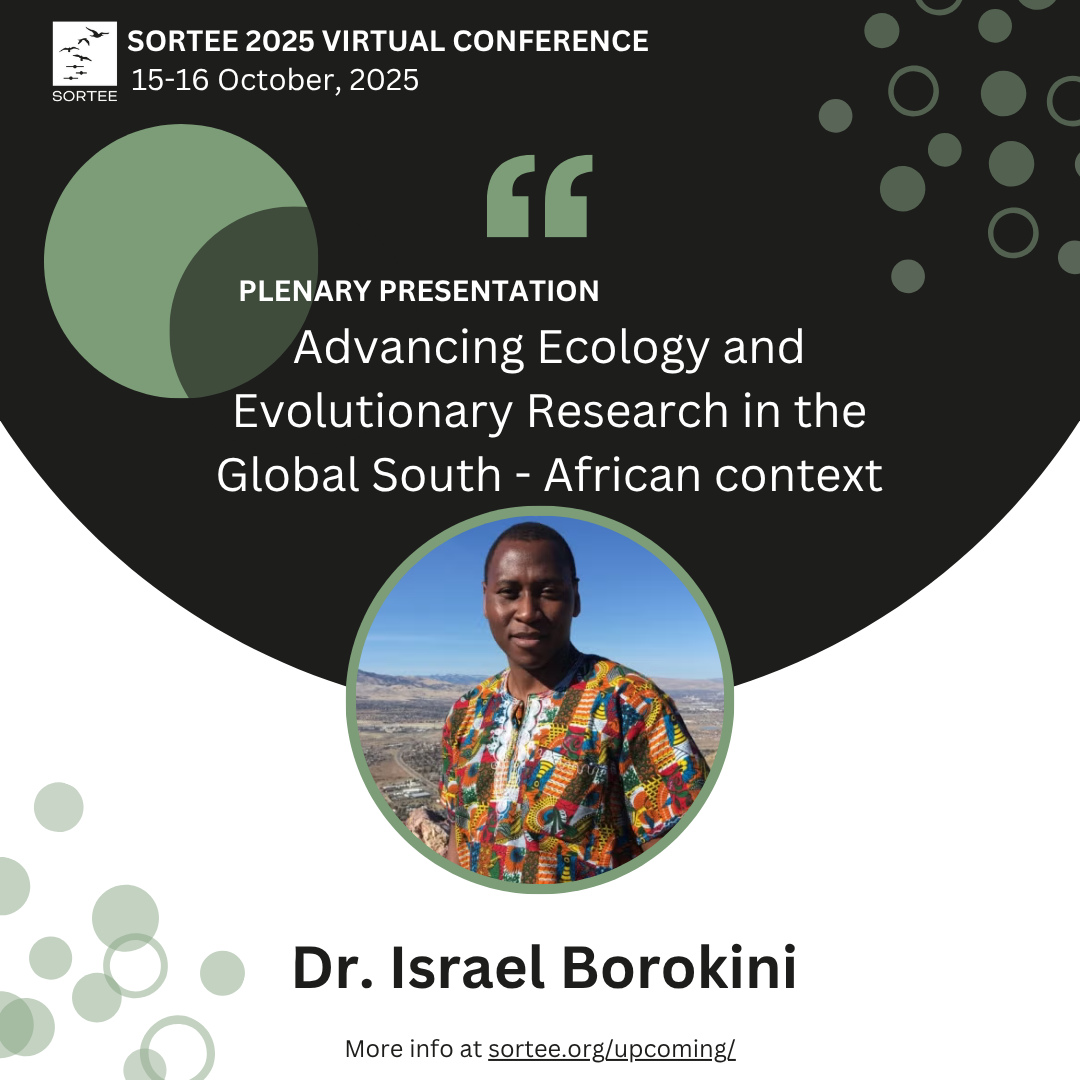
The first invited speaker, Dr. Israel Borokini, is an Assistant Professor of Ecology at Montana State University, USA, whose research combines deep field knowledge of African ecosystems with cutting-edge approaches in plant ecology and evolution. Dr. Borokini studied in Nigeria and then completed his PhD in the USA, connecting two perspectives of research together. He is also a fellow in the United Nations’ Intergovernmental Science-Policy Platform as well as member of The Scientific Advisory Council in Public Library of Science (PLOS).
In his talk, Dr. Borokini drew attention to Africa’s understudied, yet globally crucial ecosystems, such as rainforests, savannas, and deserts. Despite their importance, he highlighted the systemic challenges scientists in the Global South face: limited research funding, heavy teaching loads, lack of infrastructure, and vulnerability to predatory publishing practices. These structural inequities restrict scientific progress, perpetuate colonial patterns in research, and drive the continuing brain drain of talented researchers.
Interested in learning more about the challenges faced by researchers in the Global South and how we can make science more equitable? Watch Dr. Borokini’s plenary talk “Advancing ecology and evolutionary research in the Global South – African context”.
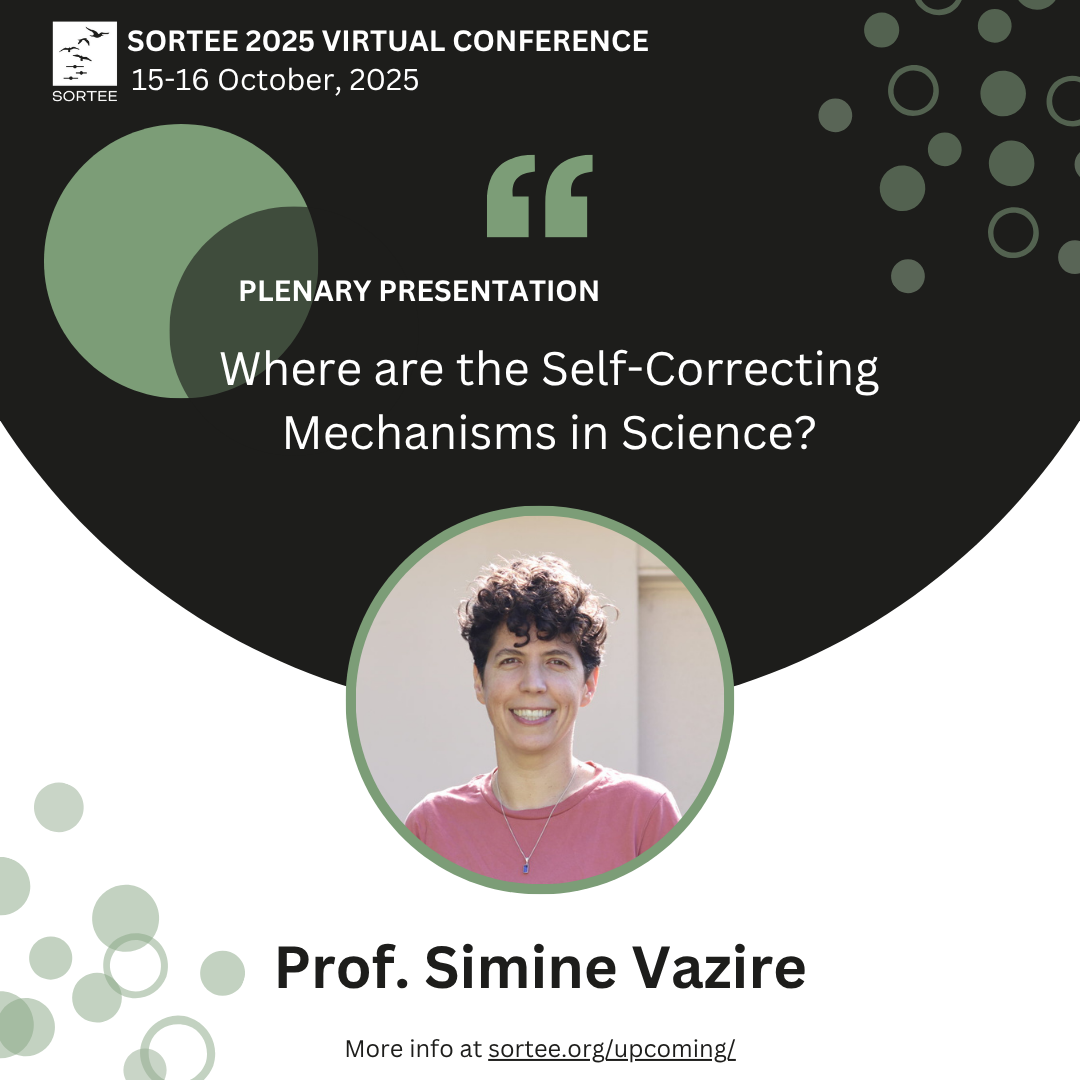
The second plenary speaker, Professor Simine Vazire, from the University of Melbourne, is a psychologist focusing on the credibility and integrity of scientific research. She finished her PhD degree in The University of Texas at Austin, USA, but moved to Australia due to a tweet (see Simine’s personal webpage https://www.simine.com/)! She is editor in chief of Psychological Science and co-founder of the Society for the Improvement of Psychological Science.
In her talk, Professor Vazire discussed how common research practices can unintentionally distort the scientific record. She spoke about HARKing, p-hacking, file-drawing, and publication bias. Together, these practices make published science appear much cleaner and more convincing than it truly is, inflating false positives and, in the long term, weakening confidence in research outcomes. Vazire concluded with an important challenge: How much science is self-correcting and should we reward scientists for detecting and correcting errors just as much as for discovering new results?
Interested in learning more about self-correction and how can we make science more credible? Watch Prof. Vazire plenary talk “Where are the Self-Correcting Mechanisms in Science?”.
Introductions to open science
Start small, plan early, don’t worry about making mistakes, and connect with the open-science community for support! These were the take-home message in the two introductory sessions on open science led by Saoirse Kelleher and Kaija Gahm from the SORTEE Education and Outreach Committee and held in two different time zones. They covered key topics such as data and code sharing, preprints, and preregistrations, explaining not just what they are, but also why they matter and how to get started.
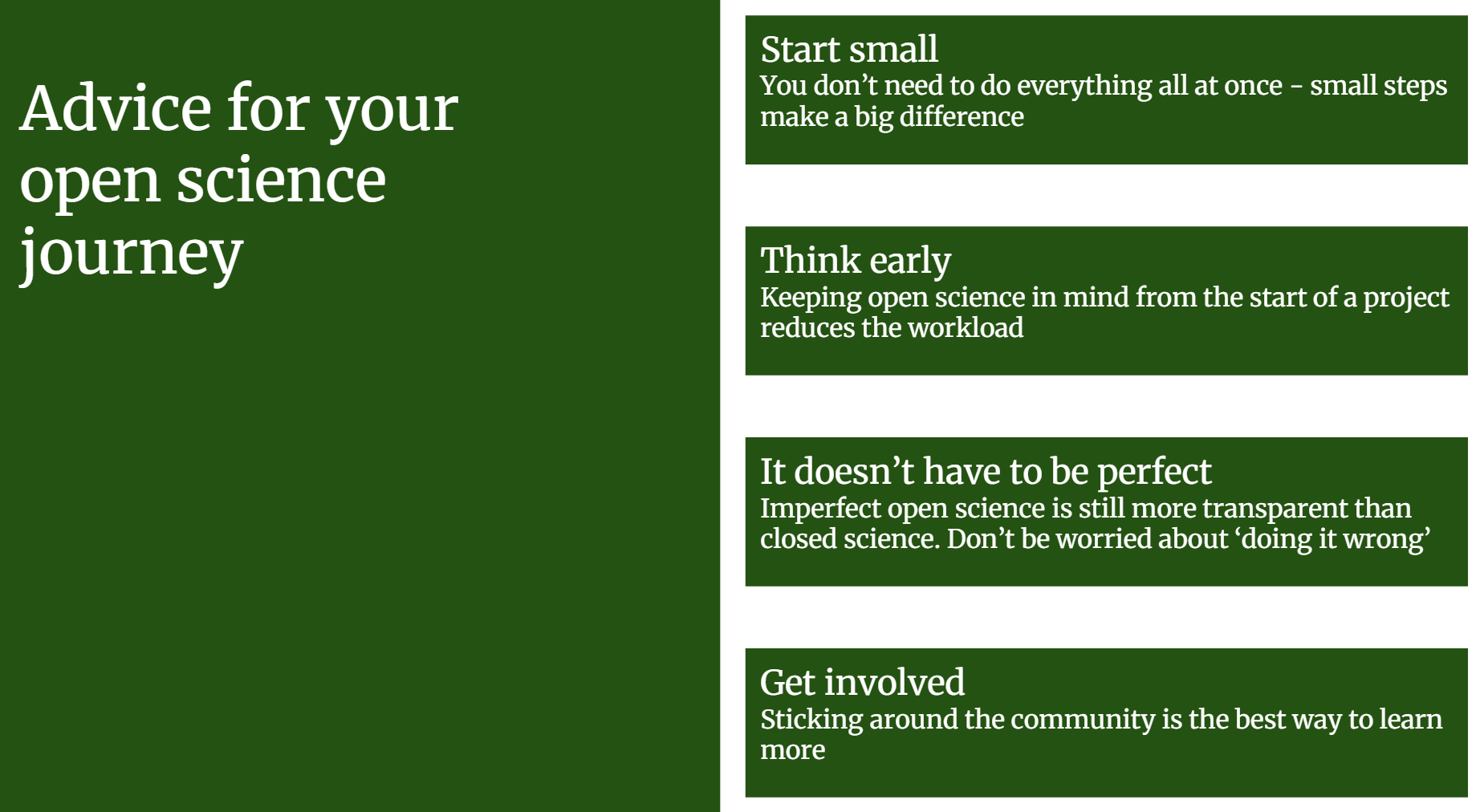
➡️ Ready to start your open science journey? Access the slides at https://osf.io/qf2dv/.
Introduction and closing remarks
Our current SORTEE president, Ed Ivimey-Cook, kicked off the conference with a short 15-minute welcome message. He outlined the conference structure, explained what SORTEE is all about, how it is organised, and reminded that it is run entirely by volunteers. Ed also invited everyone to join the society and think about volunteering for the 2026 committees.
In his closing remarks, Ed reflected on the diverse sessions and discussions, and reinforced how welcoming and inclusive the SORTEE community aims to be. Plus, he announced the winners of the SORTEE 2025 Commendation Award.
If you missed it, recordings are available on our Youtube channel.
Workshops
Using and extending data standards in wildlife disease ecology
Did you know some data types have their own sharing ways? Collin Schwantes discussed data standards and data reuse challenges using disease ecology as an example. He reviewed how to implement wildlife disease standards in R, along with associated R packages.
➡️ Collin has kindly shared all the materials so you can carry out the workshop on your own at https://osf.io/kvb36/.
SORTEE Research Collaborations – What, Why, and How?
What makes a scientific collaboration successful and enjoyable? That’s the question Malgorzata (Losia) Lagisz tackled in her session. As Losia highlighted, collaborations can be challenging, take time, and most of us never receive formal training in how to manage them. Yet, good collaborations can greatly advance research and advocacy, while also building strong networks and supportive communities. Drawing on her own experience, Losia shared practical advice and invited participants to contribute to a shared document with open questions like: What are the real costs and benefits of joining or leading collaborations? The goal was to start co-writing a manual on good collaboration practices. However, the discussion was so lively that writing had to wait! Fortunately, plenty of volunteers signed up to keep the project going.
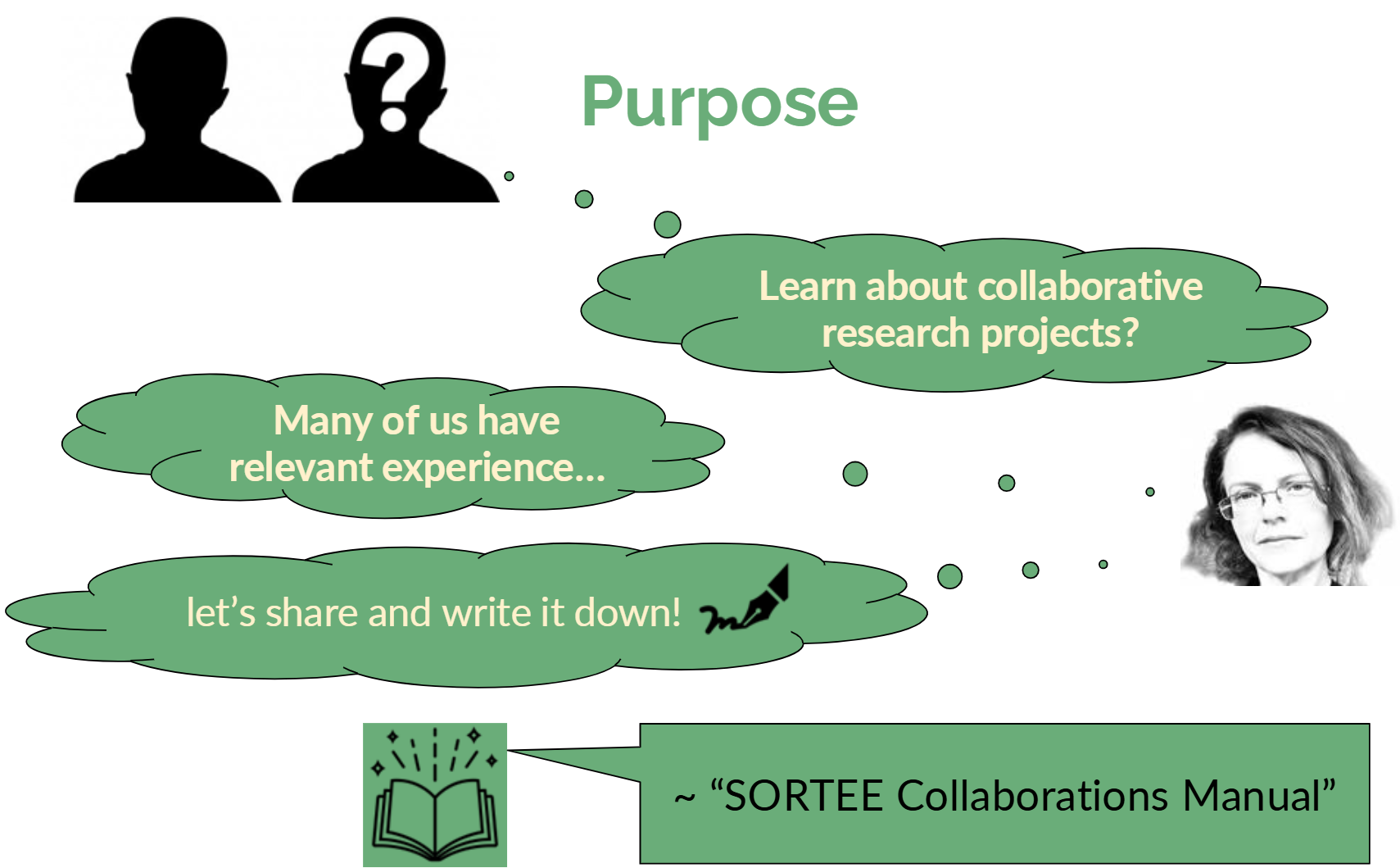
➡️ Thinking about starting a collaboration? Find helpful advice in the workshop slides at https://osf.io/x6y75/. You can also help write the SORTEE collaborations manual – contact Losia via the SORTEE Slack or email us at conference@sortee.org, and we will connect you.
The Confound Hour: Promoting Open Discussions of Scientific Failure at Scientific Conferences
Failure is part of science, so why not celebrate it? During this workshop, the great neuroscientist Megan Hagenauer introduced three creative games she designed for social events at conferences and classrooms. These games encourage conversations about experiments that didn’t work, papers that never got accepted, and all the bumps along the research road, while fostering fun and connection among participants. Failure is still taboo in science, which means researchers rarely share non-significant results, even though doing so could speed up progress and help others learn from their mistakes.
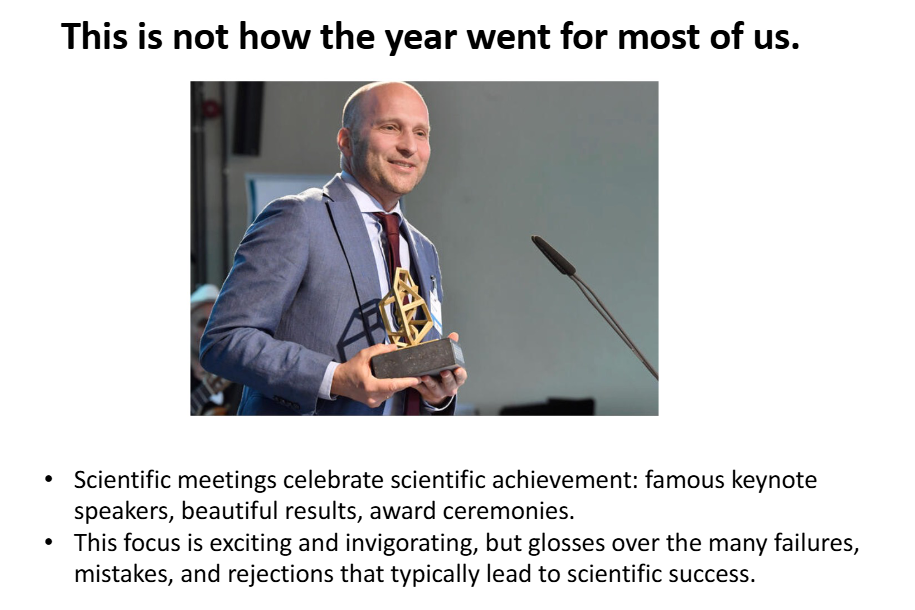
Participants played, laughed, and even shared ideas for adapting the games to ecology and evolution. Megan also described her experience organising “Fuckup Nights", an event where scientists shared their biggest failure stories. The event was unfortunately canceled due to Covid and switched to an online format. The final stories are shared on YouTube at https://www.youtube.com/@greatscientistsgreatfailur9496.
➡️ All games are described in Megan’s article and access the ‘Great Scientists, Great Failures’ stories here. Don’t hesitate to contact Megan for any questions by direct message on the SORTEE Slack or by email to conference@sortee.org (we will put you in contact).