

By The SORTEE 2025 Conference Committee | December 8, 2025
Final post about the SORTEE 2025 conference! This week, we—the conference committee—are excited to share an overview of the inspiring hackathons1 and unconferences2 that took place during the event. Note that three hackathon projects are still open to new collaborators. Check out our first blog post and second blog post if you missed them for more insights about the event.
Hackathons
Rally support for Open Science in Ecology & Evolution
Everyone can promote SORTEE! During this conference hackathon, Natalie van Dis, Charlotte Récapet, and Losia Lagisz from the Member Engagement Committee led three creative activities to spread the word about SORTEE to a wide and diverse audience. Participants shared emails and messages on social media, with a particular focus on reaching underrepresented and marginalised groups on LinkedIn. Then, they brainstormed in breakout rooms how to pitch SORTEE.
➡️ Want to help promote SORTEE? You can dive into the hackathon activities by finding the hackathon slides and the templates (for emails and social media messages) on OSF here, next to the hackathon output on how to pitch SORTEE to others. Also check out the LinkedIn video tutorial below.
EcoEvo SORTEE ReproHack: Reproducibility Hackathon of Recent Research in Ecology & Evolution
Can you really reproduce someone else’s results? It sounds simple until you try! Valentin Lucet and Alex Arkilanian introduced the key concepts and challenges when it comes to research reproducibility, and a tool to address it: ReproHack Hub. During a typical reprohack, participants attempt to reproduce published results using the associated data and code, then provide feedback to the authors (more information at https://www.reprohack.org/).
Conference attendees were split into breakout rooms to follow a partial reprohacking workflow. Using a detailed spreadsheet created by the facilitators, participants answered questions related to the FAIR-USE framework on exemplary articles. This gave them a hands-on opportunity to learn best practices for preparing and sharing data and code effectively.
➡️ Ever thought about joining or organising a reprohack session? Go to the ReproHack website and check out the hackathon material.
Database of open science policies for major national funding agencies
Have the main funding agencies in each country taken steps to implement open science? That is the big question that Dominique Roche set out to answer. But with more than 190 countries in the world, answering this question requires team work. The hackathon was a kickoff meeting to gather collaborators on this ambitious global endeavour. There were 42 enthusiastic participants. Dominique Roche outlined the project and presented the collaborative document designed to collect and validate data. Participants started collecting data and provided insightful comments on how to improve the data collection and validation process. The team set a data collection deadline for November, with the exciting goal to publish a preprint or article. Stay tuned!
➡️ Keen to join the project? Feel free to email us at conference@sortee.org, and we will connect you with Dominique, or you can reach out to him directly on the SORTEE Slack.
Evaluating FAIR principles and uncertainty in mechanistic models from ecology and evolution
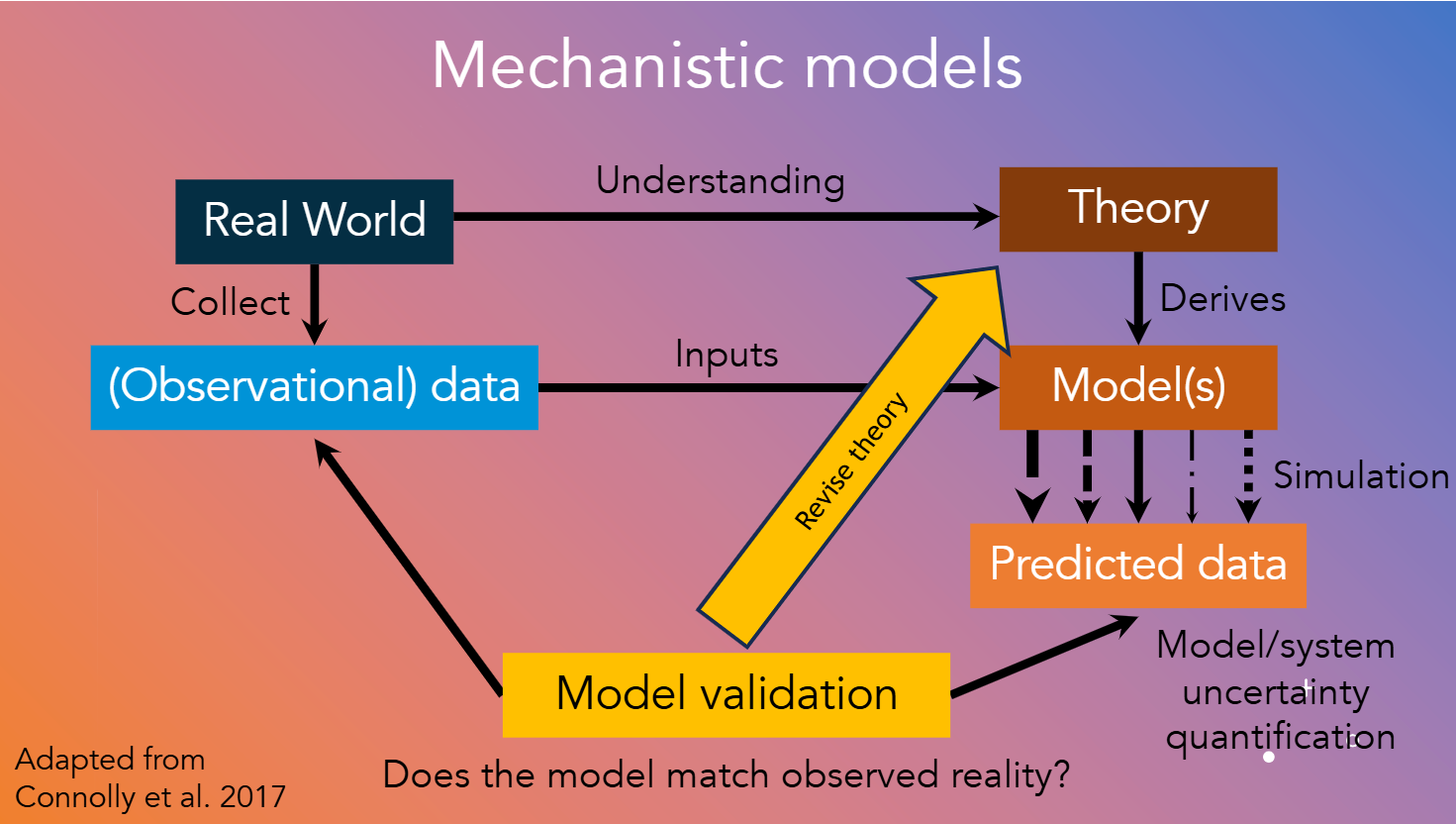
What makes a mechanistic model truly useful, reliable and transparent? That’s the question Kevin Bairos-Novak kicked off during his session. After giving an introduction to mechanistic models and asking attendees to share their own experiences, Kevin showed how even the most elegant plots can sometimes hide the real story behind a model’s output. Kevin launched a collaborative project (1) to assess how mechanistic models are currently reported in relation to FAIR principles and (2) to develop a reporting framework, with the goal of producing a published article. Several participants joined the effort.
➡️ Want to join the project? Fill in this form. Slides are available at https://osf.io/qtfrm/.
Let’s expand the dataset of learned societies in ecology and evolutionary biology
Malgorzata (Losia) Lagisz and Alfredo Sánchez-Tójar led this hackathon to gather collaborators on a project to expand a dataset of learned societies1? in ecology and evolution that Losia and collaborators have developed. This dataset has already supported three published articles and two ongoing projects (see Figure below and https://sortee.org/collaborations/).
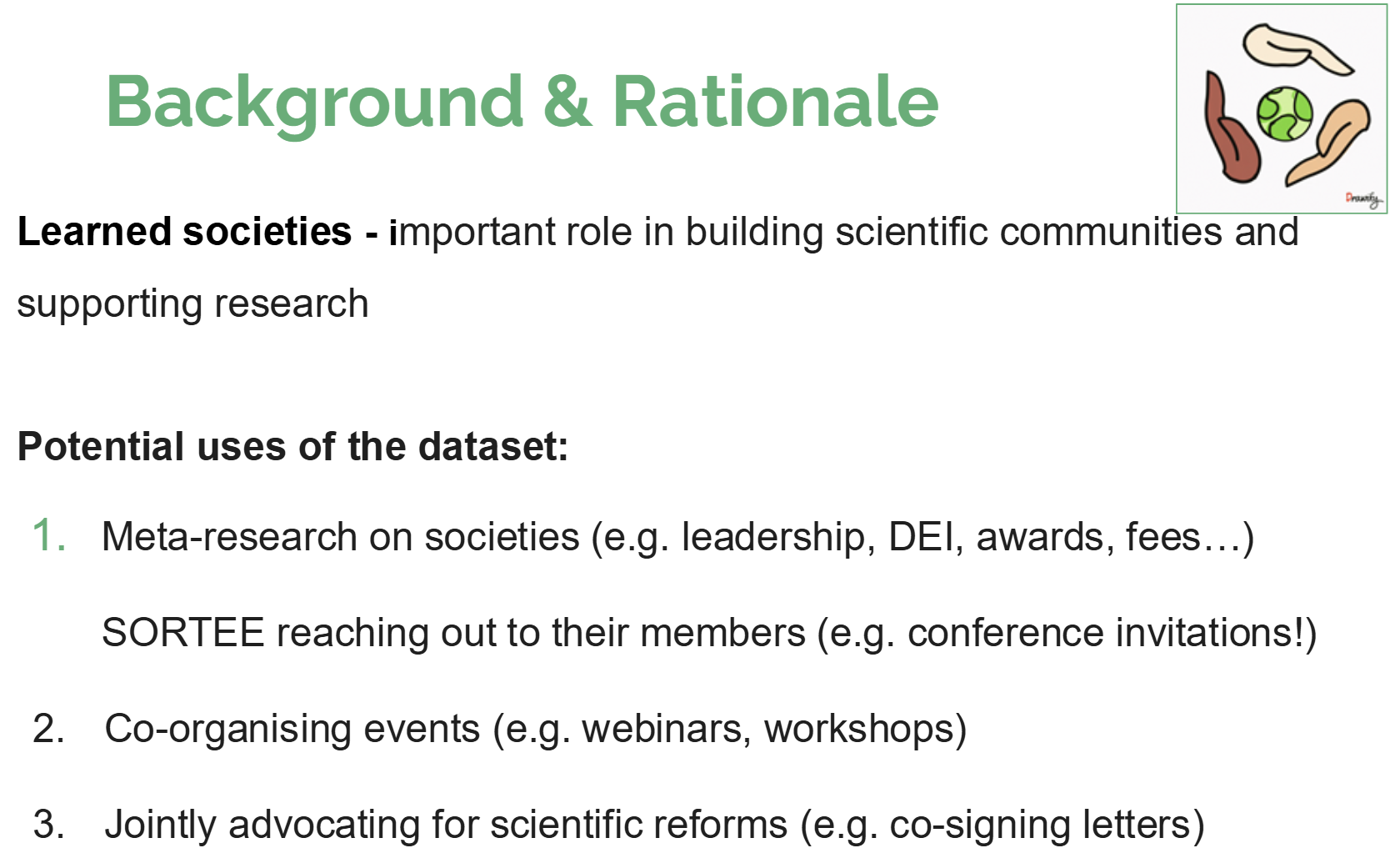
During the hackathon, Losia and Alfredo walked everyone through the project’s workflow, from developing and pre-registring the data extraction protocol to publishing the article. Attendees provided valuable feedback, and many expressed interest in joining the project.
➡️ Thinking about joining this collaborative project? Fill in the Expression of Interest form. Slides are available at https://osf.io/sfqdy/.
Unconferences
A “Garden of Forking Paths" or of “Apples and Oranges"?
Have you ever wondered what happens when different researchers analyse the same dataset? Long story short, they don’t always reach the same results! This is partly because researchers are taking different binary decisions when it comes to data analysis (such as removing outliers or adding a covariate; “A garden of forking paths”). However, the two facilitators, Ulrich Knief and Wolfgang Forstmeir, pointed out that differences can also arise because researchers may actually be addressing slightly different research questions (comparing “Apples and Oranges”). This sparked a lively and insightful discussion among participants, including some who had recently taken part in a recent study on this topic.

➡️ Does the heterogeneity of scientific results keep you up at night? Find some answers in the unconference slides at https://osf.io/kre8g/ and in Ulrich and Wolfgang’s preprint here.
Establishing guidelines for preregistration in macroecology and macroevolution
Can pre-registration really work in macroecology and macroevolution? Preregistration is the process of recording your study’s design and analysis plan before you begin, helping to address many issues behind the reproducibility crisis. With massive datasets and unpredictable analyses, these fields push the limits of pre-registration. In small breakout groups or all together, the session facilitators (Joseph Tobias, Bethany Allen, Alex Pigot, Will Pearse) and attendees discussed the challenges, opportunities, and guidelines for preregistration and related open research practices in these large-scale, non-experimental fields.
Researchers experiences with Registered Reports in Ecology and Evolutionary Biology
What if journals reviewed your study before you collected the data? During this unconference, the session facilitators (Joel Pick, Marija Purgar, Kevin Bairos-Novak, Shinichi Nakagawa, Losia Lagisz) introduced the concept of Registered Reports (RRs) and explained how this publication format can promote transparency, improve study design, and reduce publication bias. A panel discussion followed, featuring Losia Lagisz, Matt Grainger, Ragnhild Gya, and Kristine Birkeli, who shared their first-hand experiences, benefits, and challenges with publishing RRs. To better understand the community’s perspective, Joel and Marija also gathered participant feedback on awareness and barriers to adopting RRs.
➡️ A blog post summarising the discussion and survey findings will soon be shared on SORTEE’s website. Stay tuned!
What do Large Language Models mean for open science?
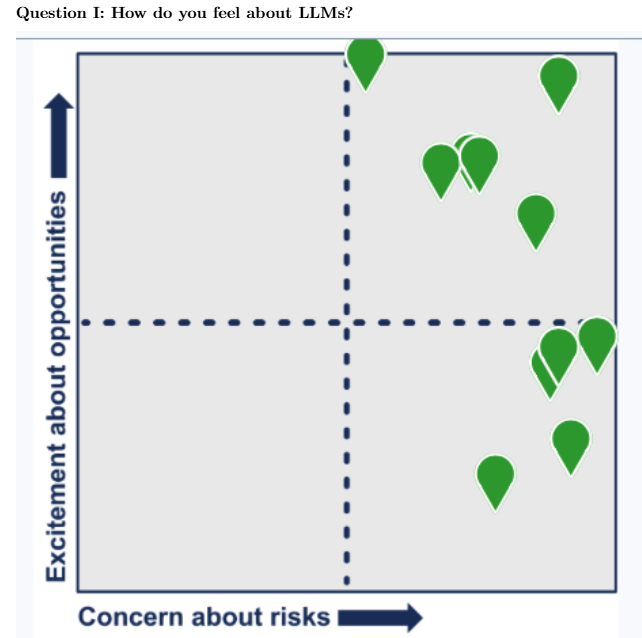
Is AI advancing open science, or could it hold us back? Saoirse Kelleher and Elliot Gould navigated a structured discussion on the use of Large Language Models (LMMs) in open science, for example, when searching literature or annotating code. Participants discussed both the potential benefits and pitfalls: while LLMs can speed things up, they also raise questions about verification, trust, and the risk of skill loss. If future researchers no longer learn how to “manually” make unassisted practices, will they be able to verify the output from LLMs? This unconference gave participants much to think about.
➡️ Curious whether LMMs are a good thing for science? Explore the unconference notes at https://osf.io/6psu7/files/4puwe.
How to start your own Code Club
Have you ever thought about starting a code club but weren’t sure how? Members of the SORTEE Member Engagement Committee (Cecilia Baldoni, Saoirse Kelleher, Natalie van Dis, Corné de Groot) gathered people to share their experiences running or participating in code clubs, as well as what has prevented them from doing so. It was a mix of curious newcomers and experienced code clubbers. Together, they brainstormed what makes a code club successful, explored the benefits of different formats (seminars, hands-on workshops, or “hacky” hours), and shared their top challenges along with practical solutions. The key takeaway? Anyone can start a code club, no matter their experience. So don’t hesitate – bring a little coding community magic to your institution!
➡️ Interested in creating your code club? Access the notes resulting from the unconference discussion at https://sortee.github.io/start-your-codeclub-guide.
Let’s DAG in – How Directed Acyclic Graphs can help Behavioural Ecology be more transparent
Have you ever heard of Directed Acyclic Graphs (DAGs)? Most of us haven’t, even though DAGs offer great benefits for reproducible data analysis. The two session facilitators, Aparajitha Ramesh and Mirjam Borger, explained how DAGs help clarify hypotheses, reveal hidden assumptions, and improve statistical modelling. They guided participants through everything they needed to know about DAGs, using interactive exercises based on real-life biological examples. The session ended with participants discussing many questions about DAGs in breakout rooms.
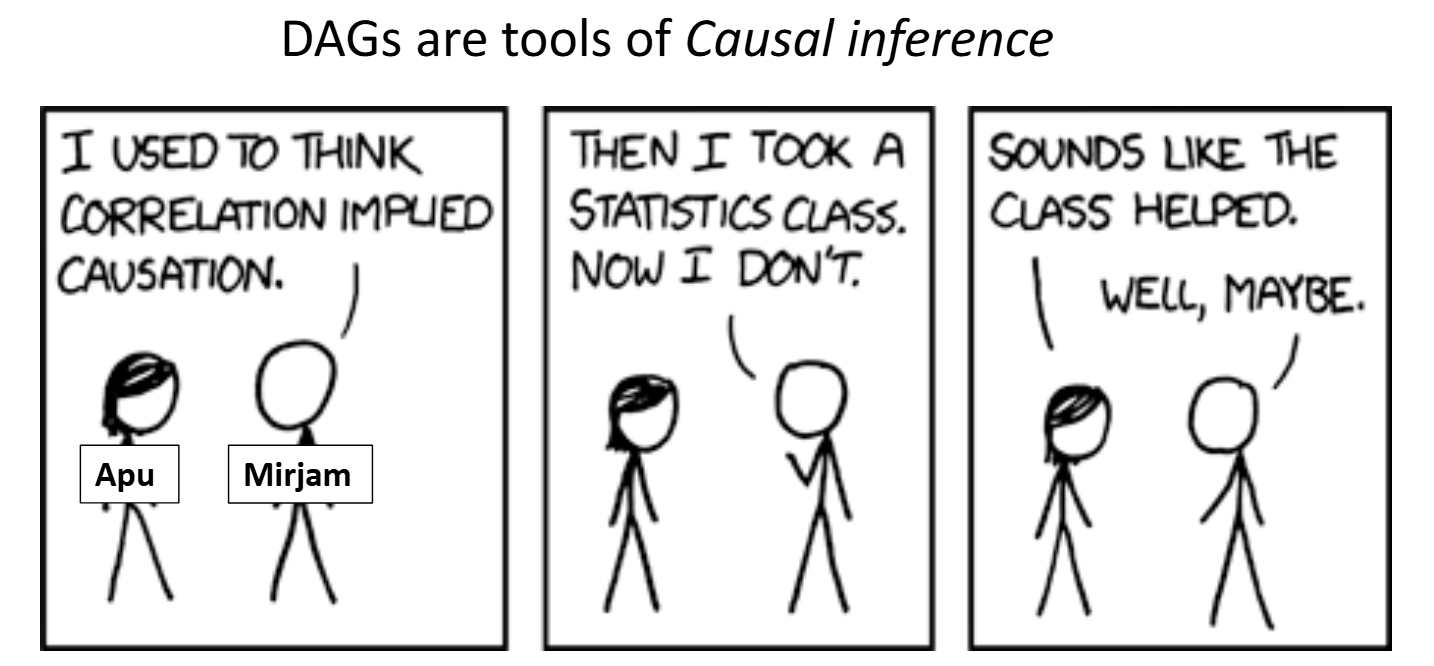
➡️ Let’s all benefit from Directed Acyclic Graphs and start using them in our research. In other words, let’s DAG in! Access the unconference slides at https://osf.io/awkph/ and feel free to email us at conference@sortee.org if you’d like to get in touch with Apu and Mirjam.
How to think about hypothesis testing in ecology?
What matters more: statistical significance or ecological relevance? In this unconference, the session facilitators (Gabriela Xavier-Quintais, Daniel Lakens, Tiago A. Marques) made participants quickly realise that while statistical significance is easy to determine, ecological relevance is much harder to define. Yet, ecological relevance is what really matters when interpreting results in ecology. The following discussion was around whether we should keep testing nil null hypotheses, or instead test against meaningful, ecologically relevant values. If the second is the case, how do we decide what those values are and who gets to determine them? Some suggested using frameworks similar to medicine’s “minimal clinically important difference”. The discussion also touched on the possible constraints in the field of ecology on the use of hypothesis testing and what other possible methodological approaches could be used in this area of knowledge. The group debated how researcher education and statistical thinking could evolve to better connect numbers with ecological meaning. This unconference wasn’t just technical, but also philosophical! An effort was made to discuss the concept of “ecological relevance” - a concept not yet defined in the literature. Despite its complexity, the discussion was passionate and never felt exhaustive.
➡️ Want to learn more? Access a summary of what was discussed and the unconference slides at https://osf.io/qk7s5/.
Hackathons bring researchers together to produce some form of public output based on the participants’ collective work, such as producing a manual / guidelines / article, developing software, or creating a protocol. The time available during the conference usually isn’t enough to complete the project but allows teams to form and get work started. See examples at https://sortee.org/collaborations/" ↩︎ ↩︎
Unconferences are facilitated discussions about current or prospective research practices and tools that aim to improve the reliability, transparency and openness of science ↩︎